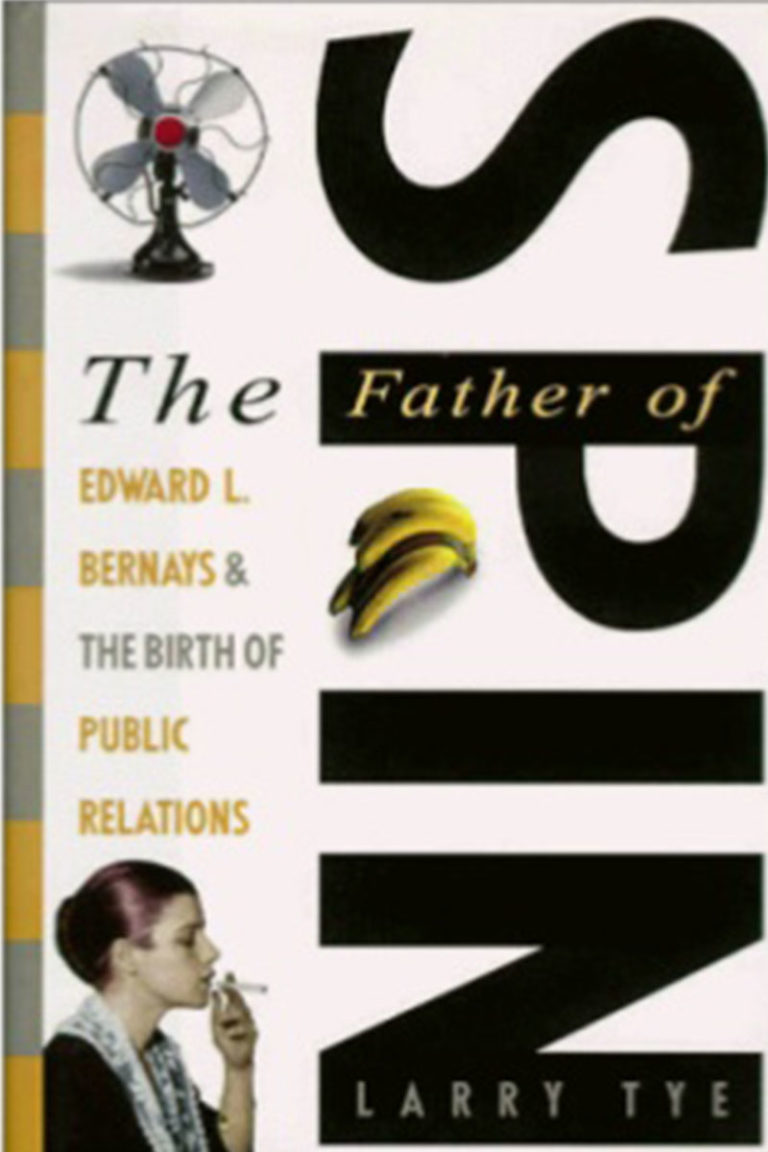
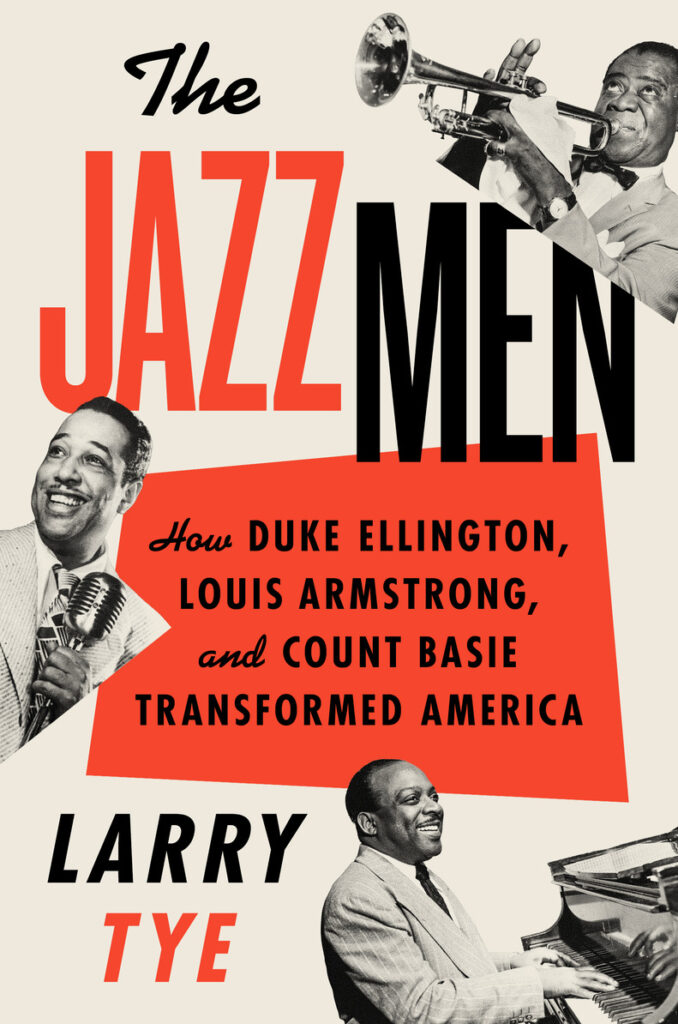
Due out from HarperCollins on May 7, 2024
"This thoroughly enjoyable musical journey . . . demonstrates why and how Armstrong, Basie, and Ellington transcended jazz and even music itself to establish themselves in American culture forevermore."
Kirkus Reviews
"With scrupulous attention to detail, Tye brings his subjects to life as both forces of social change and three-dimensional human beings who lived and breathed their art, from Ellington’s soulful, “Shakespearian” arrangements to Armstrong’s “heart as big as Earth” and Basie’s “Buddha-like” temperament. It’s a vibrant ode to a legendary trio and the “rip-roaring harmonies” that made them great."
Publishers Weekly
"Tye has found that there are new things to say about The Three Musketeers of Jazz. Read, learn and enjoy."
Dan Morgenstern, jazz author, historian, editor, educator and former chief of Rutgers' Institute of Jazz Studies
"Larry Tye has written a masterpiece. These three are not only the most important people in American music, but they changed the whole world in their individual ways."
Wendell Brunios, New Orleans bandleader and trumpeter
“I thought I was already well informed about these jazz heroes, but Larry Tye reveals so much more about their musical journeys and personal experiences. It’s like meeting them all over again. I couldn’t put it down.”
Gary Burton, Grammy-winning jazz vibraphonist
“Entertaining and engrossing, and a warm invitation to an essential part of American history.”
Tracy Kidder, Pulitzer Prize-winning author
“The Jazzmen tells an uplifting and unifying story that is especially important now, when times are so fractured.”
Sonny Rollins, Grammy-winning tenor saxophonist
"The Jazzmen reveals how these three musicians, when they express themselves through their instruments, become magical."
Mercedes Ellington, dancer, choreographer, director and Duke’s granddaughter
“Proud and important history, beautifully told.”
Deval Patrick, former governor of MA, assistant attorney general for civil rights under Bill Clinton
“The Jazzmen begins with colorful people and flows to rich history so beautifully it is musical.”
Juan Williams, author of Eyes on the Prize
“Like the best music created by Louis Armstrong, Duke Ellington and Count Basie, The Jazzmen SWINGS. As Tye makes clear, their story is the story of America in the 20th century."
Ricky Riccardi, Grammy-award-winning author of What a Wonderful World: and Heart Full of Rhythm:
Previous
Next
CATALOGUE
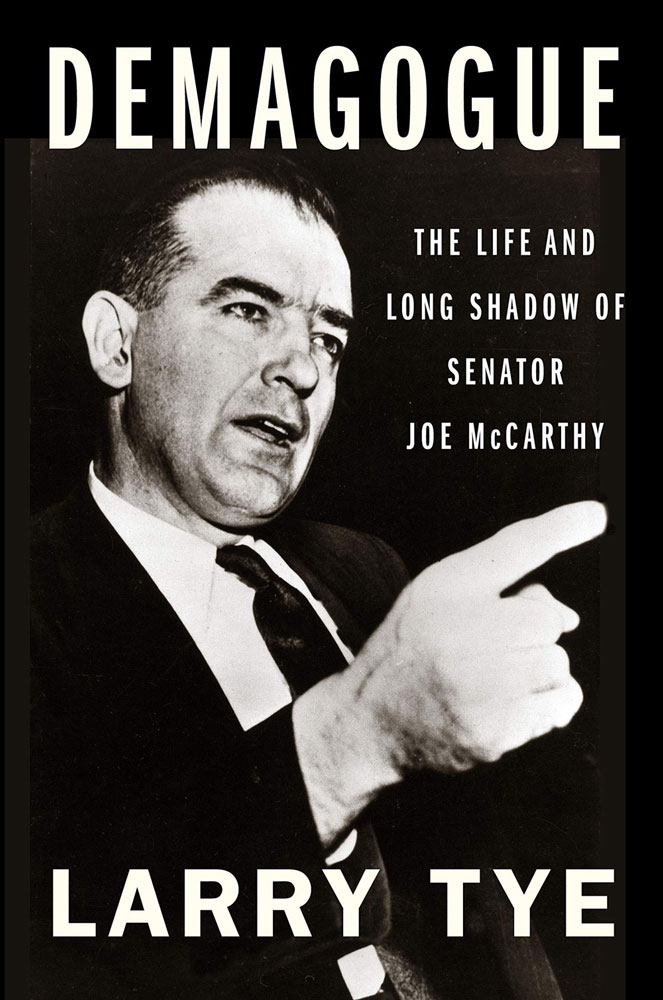
Demagogue
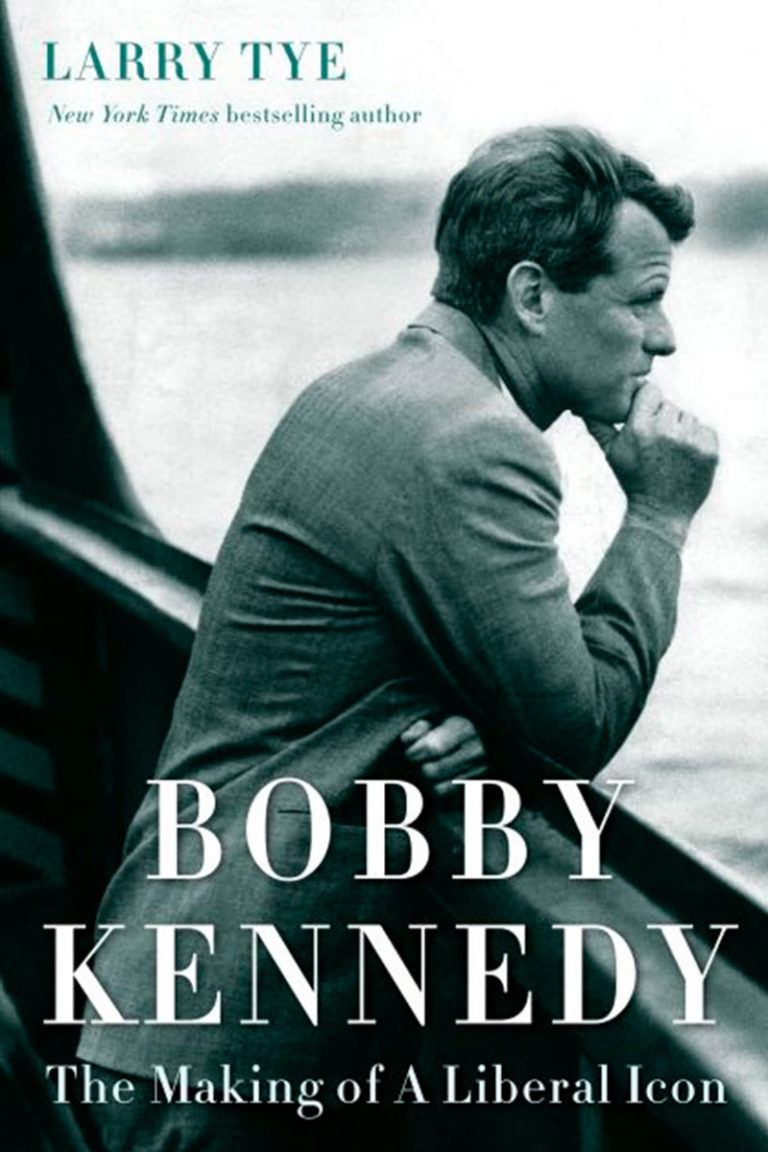
Bobby Kennedy
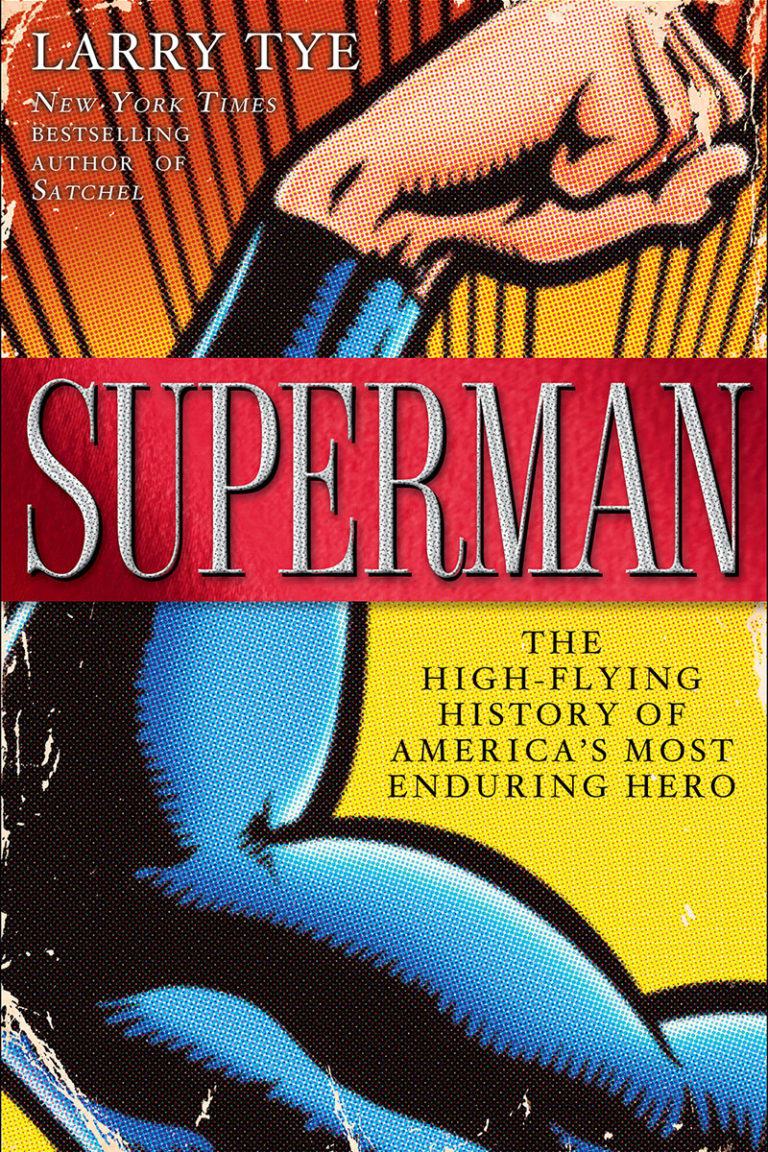
Superman
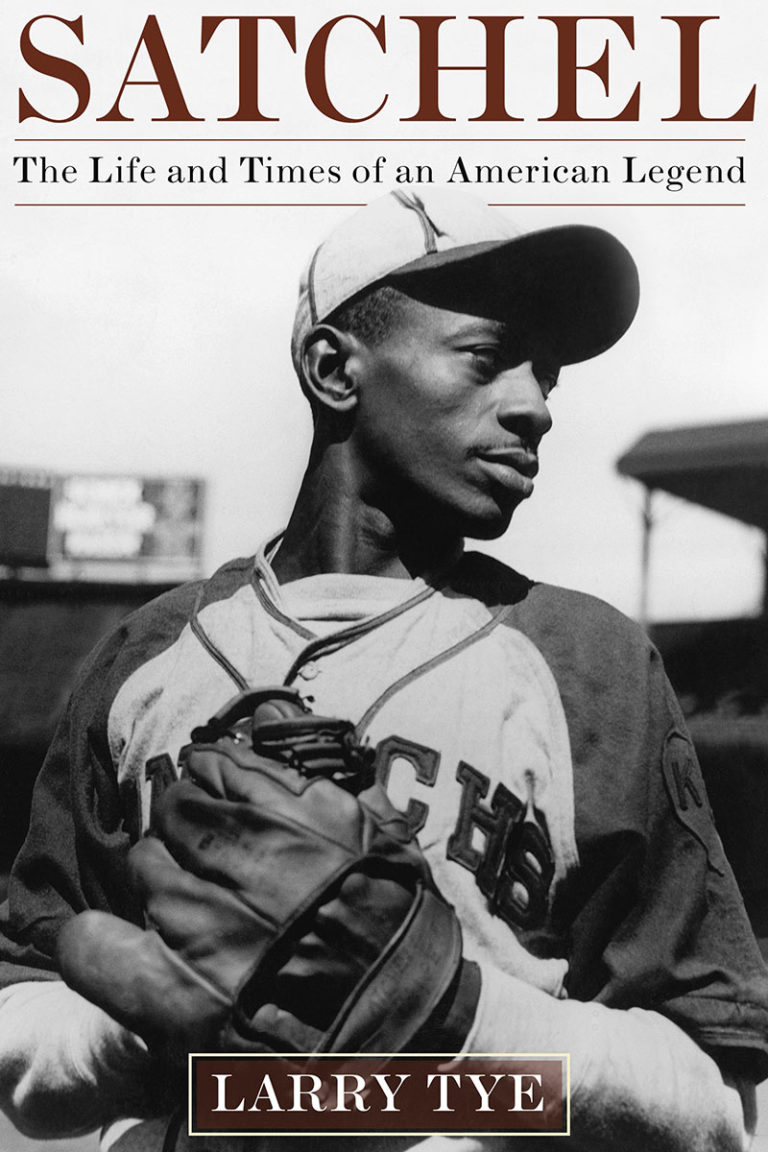
Satchel
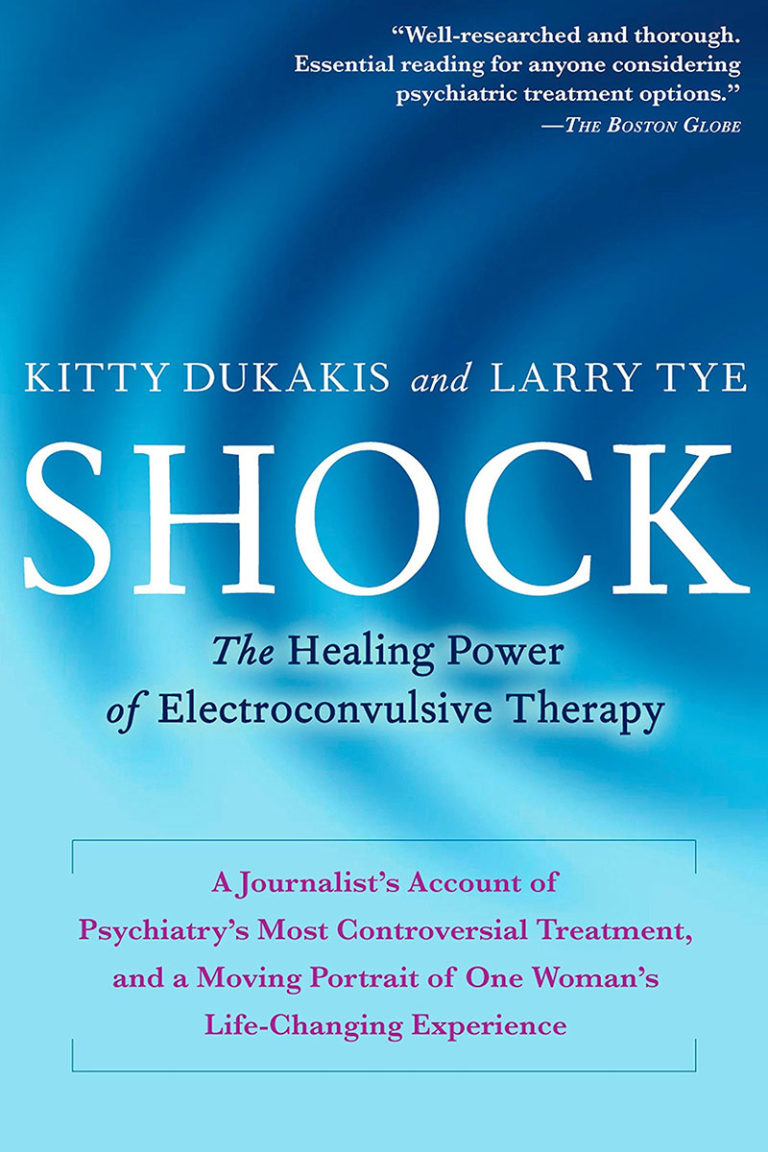
Shock
Rising From The Rails
Homelands